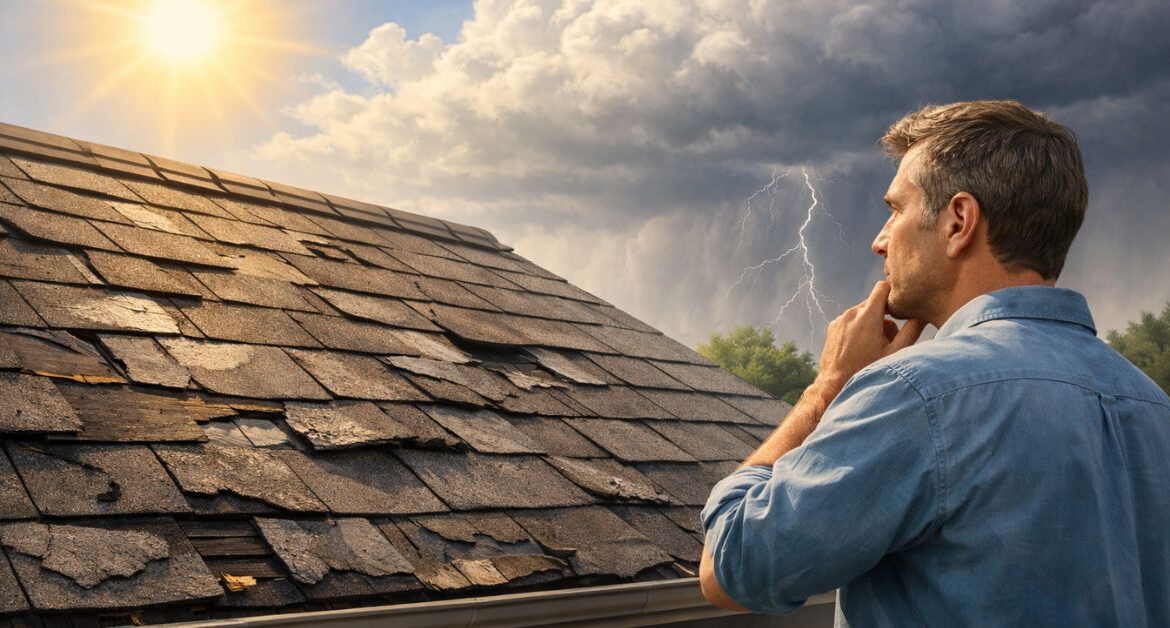
Top 10 Signs Your Home Needs a Roofing Upgrade (Austin Weather Edition) may seem like a dramatic headline, but for homeowners in Central Texas, weather-related roofing issues are a real and common reality that should never be ignored. Understanding the early signs of roof deterioration not only protects your biggest investment, but also helps you avoid far more expensive repairs caused by storms, hail, UV damage, humidity shifts, and seasonal temperature swings. In Austin, a well-maintained roof is not optional; it is a core requirement for structural integrity, indoor comfort, and long-term property value.
Why Austin’s Climate Accelerates Roof Damage
Austin’s weather has its own signature pattern, combining strong UV rays, sudden thunderstorms, hailstorms, heavy rainfall, heatwaves, and winter temperature drops. Each of these environmental factors stresses roofing materials in different ways. The UV exposure weakens shingles and sealant, hail fractures the top layer of roofing materials, rain causes gradual water infiltration, and heat expansion leads to warping. This climate-induced stress explains why roofing companies in Austin constantly stay busy following seasonal storm cycles.
For homeowners, the key is not to wait for visible leaks before acting. Modern building science shows that by the time water drips through a ceiling, moisture damage may have already spread across insulation layers, attic wood framing, drywall, electrical components, and air ducts. Therefore, recognizing early warning signs is essential for financially smart and structurally safe homeownership.
Sign 1: Curling, Buckling, or Cracked Shingles
Asphalt shingles are the most common roofing material in Austin, and they react visibly to UV exposure and heat cycles. When shingles begin curling, buckling along the edges, or cracking across their surface, it signals that the asphalt oils are drying out. Once shingles lose flexibility, they stop acting as a waterproof barrier and become vulnerable to wind uplift during storms.
Another overlooked aspect of shingle deterioration is granule loss. When rain gutters become filled with granules, it means the protective top layer of shingles is wearing off. Without granules, shingles are exposed directly to UV rays, accelerating aging. Homeowners often misinterpret curling or cracking as cosmetic issues, but these conditions almost always lead to moisture infiltration beneath the roofing membrane within months or years.
Sign 2: Missing Shingles After Wind or Storm Events
Sudden high winds, microbursts, or hailstorms frequently blow off shingles in Austin. Even a single missing shingle creates an entry point for water to penetrate underlayment layers. After major storms, roofing contractors often report that water infiltration starts from one small breach and spreads outward. The longer it goes unnoticed, the more insulation absorbs water, causing mold and wood rot.
Insurance claims for wind damage are common in Austin, but many homeowners lose coverage opportunities because they wait too long to document damage. It is strongly recommended to inspect roofs after storms rather than assuming everything is fine simply because there are no visible indoor leaks.
Sign 3: Dark Streaks, Mold, or Algae Growth
Dark streaks on shingles are often algae, mold, or moisture staining caused by prolonged humidity exposure. While algae alone does not always mean structural failure, it signals that shingles are retaining moisture longer than they should. Prolonged moisture on roofing surfaces reduces lifespan and weakens sealant bonds. Mold growth inside attic spaces is even more concerning because it harms indoor air quality and creates elevated health risks for families.
In roofing inspections across Austin, mold and streaks are frequently found near shaded roof sections, behind chimneys, or around roof-to-wall joints where airflow is poor. These zones are vulnerable points that require maintenance to prevent long-term deterioration.
Sign 4: Sagging Roof Deck or Uneven Roof Lines
This sign is one of the most urgent indicators that your roof’s structural components may be compromised. Sagging roof lines are commonly caused by water infiltration that has reached rafters, decking, or trusses. Over time, wood absorbs moisture, swells, weakens, and warps. This condition is not cosmetic; it is an active safety issue that requires immediate inspection to prevent further structural failure.
A sagging roof may also reflect poor ventilation in attic spaces. Without proper ventilation, hot air becomes trapped, causing decking materials to soften. Austin’s intense summer temperatures make proper attic ventilation more important than in many other U.S. regions.
Sign 5: Ceiling Stains, Water Spots, or Attic Moisture
Indoor ceiling stains are often the first visible sign that the roof’s waterproofing layer has been breached. Water spots are typically brown or yellow and appear near skylights, ceiling corners, chimneys, and attic access points. Many homeowners hesitate to investigate because stains seem small and harmless, but water infiltration spreads laterally long before dripping becomes visible.
Checking the attic with a flashlight after rainstorms is an excellent homeowner practice. Look for damp insulation, wet wood, condensation, or musty smells. If these signs are present, moisture has already made contact with interior building materials.
Sign 6: Rising Energy Bills Due to Insulation and Ventilation Issues
Roof deterioration does not always show up as visible damage. Sometimes the first sign is financial. Austin homes rely heavily on air conditioning during summer, and a failing roof compromises energy efficiency. Poor insulation or ventilation allows hot air to accumulate in attic spaces, forcing HVAC systems to work harder and consume more electricity.
In winter months, heat escapes through damaged roofing layers, increasing heating costs. Studies on building science consistently show that roofing, insulation, and ventilation must work together as a system. A failure in one component degrades the entire energy performance profile of the home.
Sign 7: Damaged Flashing Around Chimneys and Roof Penetrations
Flashing is the thin metal material that seals joints around chimneys, skylights, vents, and roof edges. In Austin homes, flashing damage is extremely common due to wind storms, uneven temperature shifts, and sealant aging. Once flashing loosens or bends, water bypasses the shingle layer and reaches the underlayment and wooden decking.
This type of failure often leads to chronic leaks around fireplaces, skylights, and bathroom vents. Because flashing issues are not visible from the ground, homeowners often ignore them until interior water damage becomes noticeable, at which point repairs become more complex and costly.
Sign 8: Roof Age Exceeding Its Expected Lifespan
Every roofing material has a lifespan range. Asphalt shingles typically last 15 to 25 years depending on quality and climate. Metal roofing can last 40 to 70 years, while tile and slate systems may last even longer. In Austin, however, the average lifespan of asphalt shingles tends to skew lower due to harsh UV exposure and storm events.
If your roof is more than 15 years old, proactive inspection is critical. If it is older than 20, replacement planning is wise even if no visible leaks exist. Modern real estate data shows that buyers in Austin pay higher valuation premiums for homes with upgraded or new roofs because they eliminate uncertainty and future expense for the next owner.
Sign 9: Chronic Repairs and Patchwork Fixes
When homeowners find themselves repeatedly patching shingles, sealing leaks, or adding tar around flashing, it is a sign that the roof is no longer functioning as a unified system. A roof in good condition should not require constant reactive repairs.
Roofing contractors frequently report that doing many small temporary fixes ends up costing more over time than scheduling a strategic replacement. From a financial psychology perspective, homeowners often delay the inevitable replacement due to cost fears, but data shows that delaying replacement increases mold mitigation expenses, structural repair costs, insurance claim complications, and interior restoration pricing.
Sign 10: Storm, Hail, and Wind Damage Common in Austin
Austin experiences significant hail events almost every year, and hailstones can fracture shingle matting, dislodge granules, and bruise underlayment layers. Even if shingles remain intact, hail impact can compromise structural integrity beneath the surface. Wind damage is equally common, particularly during thunderstorm seasons when gust fronts and microbursts hit residential neighborhoods.
Following hailstorms, roofing inspectors often find damage invisible from ground level. Insurance adjusters sometimes deny claims due to late reporting, making timely inspection after hail events critical for protecting financial eligibility. Homeowners who schedule proactive inspections consistently report smoother insurance claim processes and better long-term property outcomes.
How Preventative Maintenance and Inspection Reduce Cost
Replacing a roof is a major investment, but ignoring early signs causes cascading damage across insulation, framing, electrical systems, drywall, and indoor air quality. Professional inspections every 12 to 24 months are considered best practice in Austin due to seasonal volatility. During inspections, professionals assess shingle condition, flashing integrity, attic ventilation, underlayment performance, and storm-related impacts.
Preventative maintenance extends lifespan, maintains insurance eligibility, boosts resale value, and prevents health hazards linked to mold, mildew, and airborne allergens. In the real estate market, a new or upgraded roof is consistently listed as one of the strongest return-on-investment upgrades for property resale, especially in fast-growing cities like Austin.
When a Roofing Upgrade Becomes the Smart Choice
You should strongly consider a roofing upgrade if multiple signs from this article apply to your home, if your roof is nearing the end of its lifespan, or if you plan to sell within the next three to five years. Modern energy-efficient roofing options can lower HVAC loads, improve indoor comfort, and offer stronger storm resilience. Upgraded flashing and underlayment systems now perform far better than older materials, especially under Texas weather conditions.
For homeowners wanting more detailed guidance on real estate value and inspection strategy, sites like the Austin Board of Realtors provide helpful market resources, while organizations like the Insurance Institute for Business & Home Safety publish scientific data on building resilience. External references such as these are useful in shaping smarter, longer-lasting upgrade decisions.
Recommended Additional Reading and Resources
- To understand insulation and attic performance, see research from the Insurance Institute for Business & Home Safety
- For storm safety and weather tracking in Austin, the National Weather Service provides accurate forecasts
If you would like to learn about attic ventilation, insulation strategies, or stormproofing upgrades, you may find educational roofing content from reputable home improvement platforms or professional roofing contractors in Austin. Meanwhile, local homeownership groups often recommend bookmarking useful building science resources such as National Weather Service or roof performance publications from IBHS. For broader home maintenance education, internal homeowner platforms such as Guides for Roofing and HVAC Care help explain how insulation, ventilation, and roofing systems work together as a unit. These topics also connect naturally to insulation and home air quality concepts discussed in informational guides such as Austin Home Indoor Climate Management.
Understanding the Top 10 Signs Your Home Needs a Roofing Upgrade (Austin Weather Edition) empowers you to make financially smart, structurally sound, and safety-focused decisions that protect your investment and maintain the long-term performance of your home.