
Austin Home Remodeling Guide 2025: Cost, Timeline & Best Design Ideas is one of the most practical search topics for homeowners who are preparing to renovate their property in the fast-growing Austin, Texas market. If you are a homeowner looking for reliable information about budgeting, contractors, permits, design trends, or project timelines, this comprehensive guide will help you make informed decisions with confidence, clarity, and financial control.
Understanding the Austin Remodeling Landscape in 2026
Austin’s housing market has been rapidly evolving over the past decade. New developments, rising property values, and demographic changes have created strong incentives for homeowners to upgrade rather than relocate. In 2025, home remodeling in Austin is influenced by three major factors: rising demand for modern energy-efficient upgrades, the city’s hot real estate climate, and lifestyle-driven design choices that emphasize hybrid workspaces, entertainment areas, and outdoor living.
Unlike generic national remodeling guides, Austin’s market has local characteristics: specific permitting expectations, availability of skilled trades, climate-specific material considerations, and neighborhood-driven styles, especially in communities like Tarrytown, Mueller, Zilker, Barton Hills, Brentwood, and West Lake Hills. Additionally, with more Californians relocating to Austin, the city continues to absorb design influences ranging from modern minimalism to high-contrast Mediterranean styles.
Why This Topic Matters in 2026
Most homeowners do not renovate every year, so reliable information is crucial. Search data shows that users are looking for:
- Accurate cost breakdowns
- Realistic timelines
- Best return-on-investment (ROI) upgrades
- Modern design inspiration
- How to choose contractors
- Permit & code requirements
- Local vs. national pricing differences
This guide answers all of these questions with real-world relevance, logic, and professional insight.
Part 1: True Cost of Home Remodeling in Austin (2025)
How Remodeling Prices Are Calculated
Home remodeling prices in Austin vary widely depending on project type, home size, labor rates, finish quality, and existing structural conditions. When estimating your budget, professionals consider:
- Square footage
- Scope of demolition
- Material & finish level (builder-grade, mid-range, luxury)
- Plumbing and electrical complexity
- Permitting fees & inspections
- Specialty labor (tile, cabinetry, carpentry)
- Energy upgrades (insulation, HVAC, solar readiness)
Average Remodeling Costs in Austin (2026 Estimates)
The following estimates reflect mid-range projects performed by licensed contractors:
- Full Home Remodel: $120,000–$420,000+
- Kitchen Remodel: $35,000–$110,000+
- Bathroom Remodel: $18,000–$45,000+
- Primary Suite Addition: $80,000–$200,000+
- Garage Conversion (ADU): $70,000–$180,000+
- Outdoor Living Upgrade: $25,000–$150,000+
- Roof Replacement: $12,000–$35,000+
- Flooring Upgrade: $8,000–$48,000+
Costs fluctuate based on supply chain changes, labor availability, and inflation trends. The Austin Chamber and other economic research organizations indicate that construction labor demand is rising in Central Texas, which can increase lead times and contractor pricing.
Luxury and High-End Renovations
Austin’s luxury neighborhoods often demand higher-end craftsmanship and materials. In West Lake Hills or Davenport Ranch, for example, homeowners frequently invest in:
- Custom cabinetry
- Imported stone countertops
- Smart home automation
- High-end steel and glass partitions
- Designer lighting systems
- Premium hardwood flooring
- Infinity-edge pools & luxury outdoor kitchens
These premium upgrades can push whole-home renovation budgets to $600,000+, especially when additions, architectural services, and landscape design are included.
Part 2: Remodeling Timeline Breakdown (2026)
Typical Project Timeline Overview
Most homeowners underestimate the time required for remodeling. Depending on project type, 2025 timelines usually fall within these ranges:
- Minor updates (cosmetic painting, hardware swaps): 2–4 weeks
- Bathroom remodel: 8–12 weeks
- Kitchen remodel: 12–20 weeks
- Full home renovation: 6–12 months
- Home addition/ADU: 8–14 months (including permitting)
Timeline Phase-by-Phase
A complete renovation typically moves through the following stages:
1. Initial Planning (2–6 Weeks)
Includes needs assessment, style vision, rough budgeting, early contractor research, and site evaluations. This is the time to explore local inspiration (e.g., Austin Home & Garden events) or consult with architects.
2. Design & Material Selection (6–16 Weeks)
Professional designers or architects translate ideas into drawings, elevations, 3D models, and finish schedules. Material lead times matter. Imported tile or specialty appliances may require months of waiting.
3. Permitting & HOA Approval (4–20 Weeks)
Austin city permits vary by scope. Exterior modifications often require additional HOA approval, especially in master-planned neighborhoods or historic districts.
4. Demolition & Structural Work (3–12 Weeks)
Demolition reveals hidden conditions such as deteriorated plumbing, unsafe electrical systems, or faulty framing—these factors extend timelines and influence budgeting.
5. Mechanical & Rough-In Phase (4–12 Weeks)
Includes:
- Electrical
- HVAC
- Plumbing
- Insulation
- Framing adjustments
6. Finish Phase (6–20 Weeks)
Here the home transforms visually. Work includes cabinetry, countertops, flooring, painting, tile, hardware, lighting, and final fixtures. Skilled finish labor is difficult to schedule in Austin due to demand, so early booking is essential.
7. Final Inspections & Punch List (2–8 Weeks)
City inspections confirm safe completion and code compliance. Most projects include several rounds of punch list corrections to achieve high-quality results.
Part 3: Best Design & Style Ideas for Austin in 2026
Design Trends That Make Sense in Austin’s Climate & Lifestyle
Austin homeowners are prioritizing function, efficiency, and lifestyle. Top 2025 design ideas include:
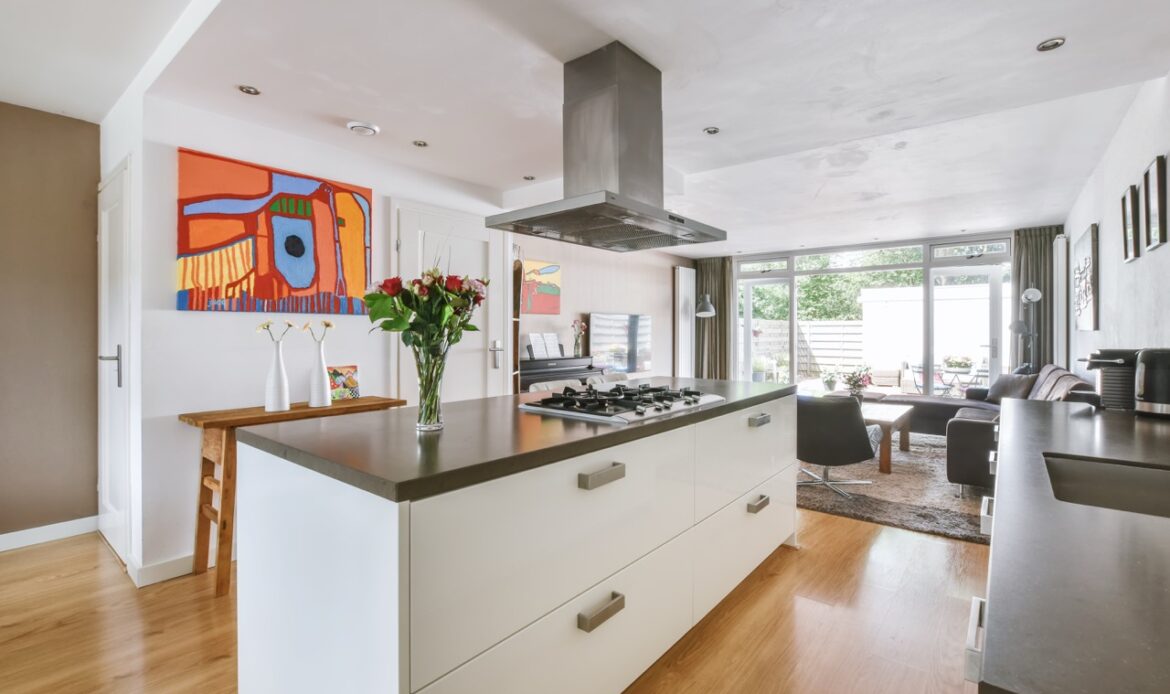
- Open kitchen-living layouts
- Multi-functional home offices
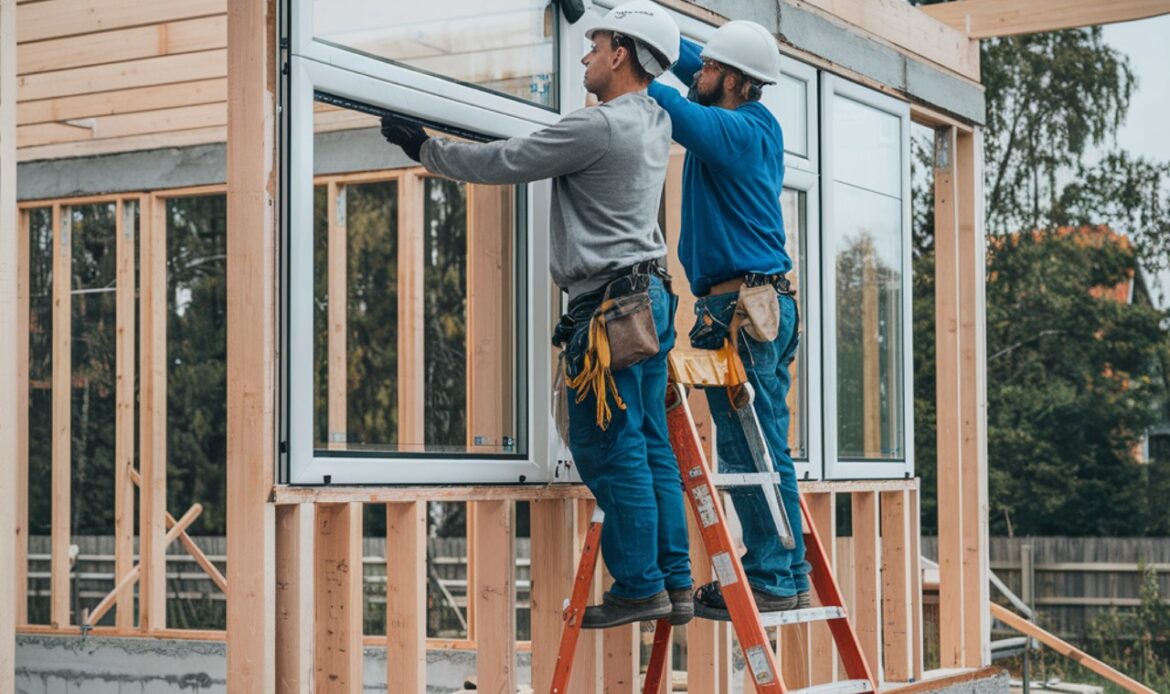
- Energy-efficient windows and insulation upgrades
- Large-format tile flooring
- Biophilic design with greenery and natural textures
- Minimalist modern cabinetry
- Solar-prep roofing & battery storage readiness
- Garage ADUs for income or family use
Kitchen Design Inspirations (2026)
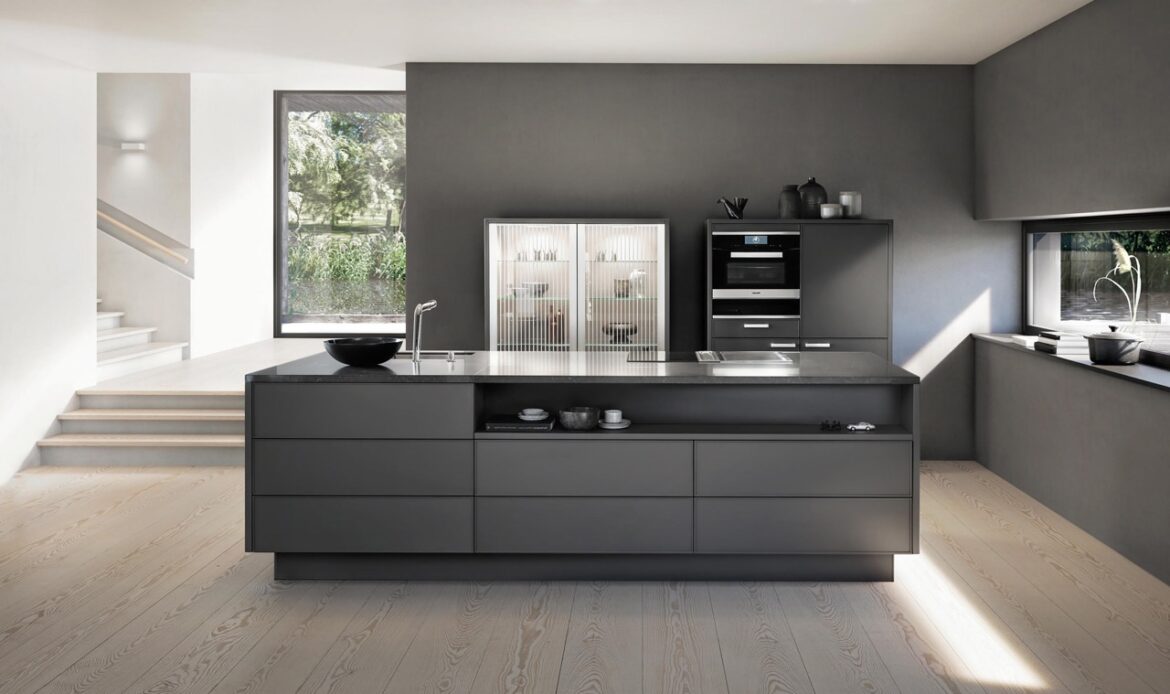
Austin kitchens are becoming brighter, more durable, and more functional. Expected trends include:
- Quartz countertops with full-height backsplashes
- Integrated appliance garages
- Walk-in pantries with built-ins
- Warm wood tones mixed with white or slate cabinetry
- Statement pendant lighting
Bathroom & Primary Suite Ideas
Bathrooms are evolving into spa-like spaces with:
- Freestanding tubs
- Curbless walk-in showers
- Heated flooring
- Integrated lighting mirrors
- Steam shower systems
Outdoor Living Spaces
Austin homeowners love outdoor living due to the climate. Upgrades often include:
- Covered patios with fireplaces
- Outdoor kitchens
- Smart landscape lighting
- Native Texas drought-tolerant plants
- Pool + cabana combinations
Interior Color & Material Trends
In 2025, expect materials that feel natural, textured, and intentional. Limestone, plaster, walnut, white oak, black steel, matte quartz, brushed brass, and earth-toned textiles are taking center stage.
Part 4: Selecting Reliable Contractors in Austin
Why Contractor Selection Matters
Homeowners often assume price is the main differentiator between contractors, but professionalism, communication, scheduling capacity, material sourcing, and warranty support are equally critical.
Checklist for Hiring Contractors
- Verify licenses and insurance
- Request recent project photos & references
- Check online reviews with caution
- Discuss change-order policies in writing
- Confirm payment schedules tied to milestones
- Ensure warranty terms are documented
For informed decision-making, tools like the City of Austin’s permit search tool and verified contractor indexes can offer transparency and accountability.
Part 5: Permits & Building Codes in the City of Austin
The City of Austin requires permits for structural changes, plumbing, electrical, HVAC, additions, and many exterior projects. Unpermitted work can cause appraisal issues, insurance disputes, and legal complications when selling the home. You can learn more directly from official sources like the City of Austin Development Services Department.
Historic districts, floodplain areas, and fire zones have additional guidelines that affect material selection, roofing, retaining walls, and landscaping. Homeowners associations can enforce aesthetic rules—especially relevant in places like Mueller or Circle C Ranch.
Part 6: Return on Investment (ROI) Insights for 2026
In Austin, ROI fluctuates based on neighborhood and demand. Historically, the highest resale ROI upgrades include:
- Kitchen updates (high buyer sensitivity)
- Bathroom renovations
- Energy-efficient windows & insulation
- Exterior siding & paint refresh
- Outdoor living enhancements
According to Remodeling Magazine and Zillow research, buyers increasingly prioritize energy efficiency, visual flow, and modernized kitchens. External authoritative sources like the National Association of Realtors provide annual cost vs. value studies, which support strategic decision-making during renovation.
Part 7: Common Remodeling Mistakes to Avoid
- Focusing only on aesthetics instead of function
- Skipping design documentation to “save money”
- Underestimating lead times for materials
- Hiring unlicensed contractors
- Ignoring HVAC, electrical, or insulation upgrades
- Not preparing contingencies for surprise conditions
Plan for a 10–20 percent contingency fund for unexpected discoveries—especially in older neighborhoods like Hyde Park or Travis Heights.
Part 8: Final Professional Guidance
If you are planning a renovation, start early, research thoroughly, and commit to transparency with contractors. Whether you are updating for resale or enhancing your lifestyle, the Austin market rewards thoughtful upgrades that balance efficiency, comfort, and contemporary style.
For homeowners seeking deeper remodeling education, the National Association of Home Builders and the City of Austin provide helpful consumer resources on permits, building safety, and best practices. Trusted educational sources such as NAHB and NAR also offer valuable industry data.
For additional reading, you may also explore related topics such as energy-efficient home upgrades or navigating the permitting process for additions (internal).
In conclusion, remodeling is both a financial and lifestyle investment. With correct budgeting, proper planning, reliable contractors, and clear design vision, you can significantly increase property value and daily comfort. If you apply the insights shared in this Austin Home Remodeling Guide 2025: Cost, Timeline & Best Design Ideas, you will be positioned for a successful renovation journey that matches both the pace and standards of modern Austin living. This comprehensive overview reflects the most important real-world considerations for homeowners who are currently searching for Austin Home Remodeling Guide 2025: Cost, Timeline & Best Design Ideas.